
Introduction
Diabetic foot is a common problem for people with diabetes. It means any foot issue that happens because of diabetes. This can include sores, infections, or even changes in the shape of the foot. Early care is very important. Without it, small problems can become serious. Diabetic foot care helps prevent pain and keeps you moving. According to the CDC, foot problems are a leading cause of hospital stays for people with diabetes. So, knowing the signs and how to prevent them is key.
Symptoms of Diabetic Foot
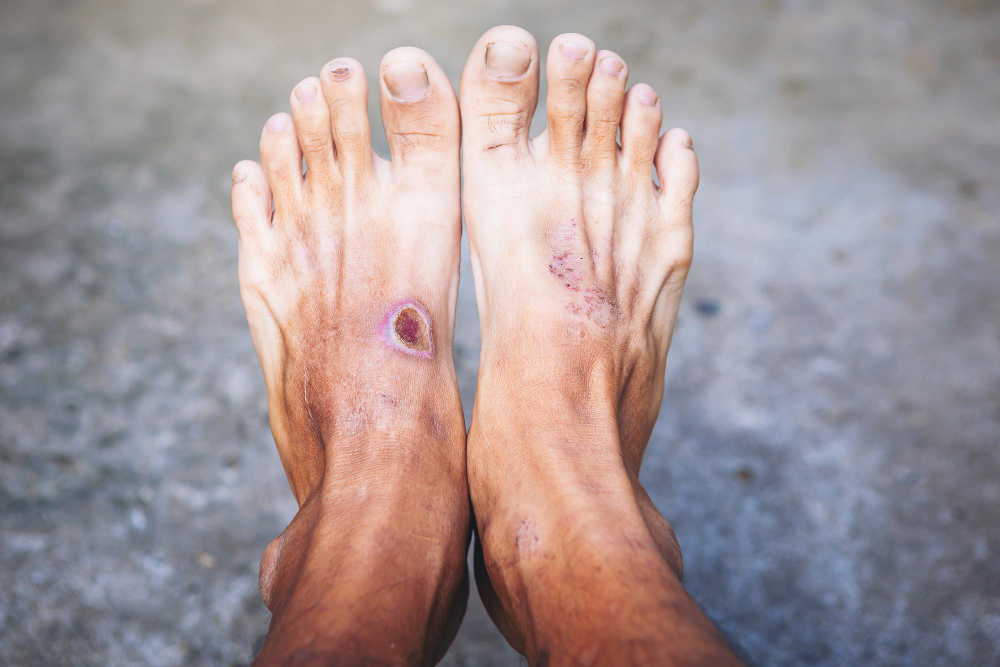
It is important to spot signs of diabetic foot early. This helps you get treatment fast. Watch for these symptoms:Swelling in the foot or ankleRedness or warmth in one areaSores, blisters, or ulcers that do not healChanges in skin colorFoul smell from a woundNumbness or tingling in the feetPain, even when restingThick or yellow toenails
If you notice any of these signs of diabetic foot, act quickly. Early action can prevent serious problems.
Causes and Risk Factors
Diabetic foot problems happen for several reasons. Diabetes can damage nerves and blood vessels. This makes it hard to feel pain or notice injuries. Poor blood flow slows healing. As a result, even small cuts can become big issues. Some risk factors include:Poor blood sugar controlLong-term diabetesSmokingHigh blood pressureHigh cholesterolWearing tight or ill-fitting shoesHistory of foot ulcers or infections
Because of these risks, regular diabetic foot care is very important.
Diagnosis Methods
Doctors use several ways to diagnose diabetic foot problems. First, they will ask about your symptoms and medical history. Next, they will check your feet for wounds, swelling, or color changes. They may also do these tests:Touch and pinprick tests to check feelingBlood flow tests using a Doppler deviceBlood tests to check for infectionX-rays or scans to see bone or deep tissue problems
Early diagnosis helps start treatment for diabetic foot before problems get worse.
Treatment Options
Treatment for diabetic foot depends on the problem. For mild issues, simple care may help. For serious cases, you may need more advanced care. Common treatments include:Cleaning and dressing woundsAntibiotics for infectionsSpecial shoes or inserts to reduce pressureRemoving dead tissue from woundsImproving blood flow with medicine or surgeryPhysical therapy to help with movement
In rare cases, surgery may be needed to remove badly damaged tissue. Always follow your doctor’s advice for diabetic foot care.
Prevention Tips and Lifestyle Guidance
Preventing diabetic foot problems is possible with daily care. Here are some tips on how to prevent diabetic foot issues:Check your feet every day for cuts, blisters, or swellingWash your feet daily and dry them well, especially between toesMoisturize dry skin, but avoid lotion between toesTrim toenails straight across to prevent ingrown nailsWear clean, soft socks and well-fitting shoesNever walk barefoot, even at homeControl your blood sugar as advised by your doctorStop smoking to improve blood flowSee a foot doctor regularly for check-ups
With these steps, you can lower your risk of foot problems. Good diabetic foot care keeps you healthy and active.
When to See a Doctor
Sometimes, home care is not enough. You should see a doctor if you notice:Wounds or sores that do not healRedness, swelling, or warmth in your footFoul smell from a woundSudden pain or numbnessBlack or blue skin patches
Early treatment can prevent serious problems. Many cities have diabetic foot clinics for expert care. Do not wait if you see any of these signs.
Conclusion
Diabetic foot problems can be serious, but you can prevent them. With daily care, regular check-ups, and quick action, you can keep your feet healthy. If you notice any signs of diabetic foot, do not delay. Consult a specialist for personalized guidance.